THE PLANTAR APPROACHBiology into production intelligence.
WeatherEnvironmental conditions
IrrigationWater applications
NutrientsN · P · K
Crop dataTargeted observations
↓
THE MECHANISTIC CORE
Physiological model + AI
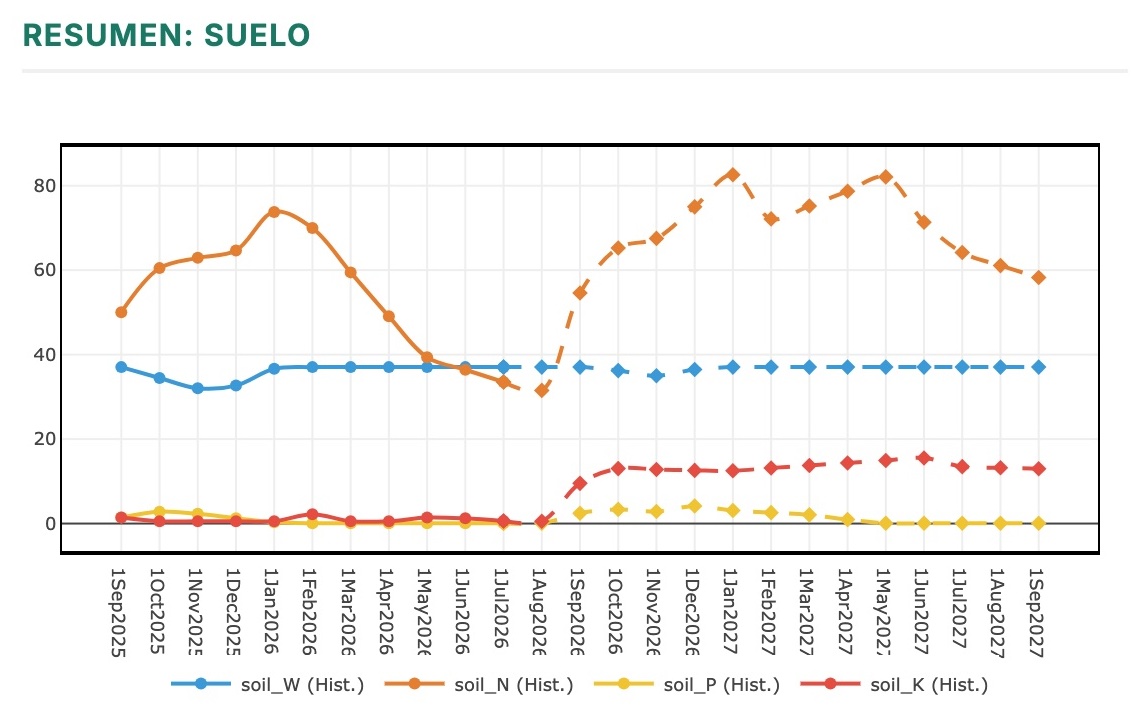
Plant physiology coupled with soil water and nutrient dynamics.
↓
Crop digital twin
Field-specific crop simulation
Lemon
Orange
Tomato
Pepper
Crop-specific availability and validation should be confirmed.
↓
Prediction
Simulation
Optimization
DIGITAL FLORA
Advanced plant models for a changing world.
We develop AI-powered Advanced Plant Models—high-fidelity digital twins that capture the physiological complexity of diverse agricultural species.
Our physiological models represent how plants grow and respond to their environment. This biological structure allows model parameters to be adjusted quickly with much less data than typically required by purely data-driven AI systems.
These models enable yield forecasting and treatment optimization, maximizing productivity while reducing operational costs and environmental impact.
Model the plant, understand the soil, and plan your next move. PLANTAR brings crop simulation, farm-specific configuration, fertigation planning, and reporting together in one app.
01 · PHYSIOLOGICAL CROP MODELS
Your crop. Your soil. Your farm parcels.
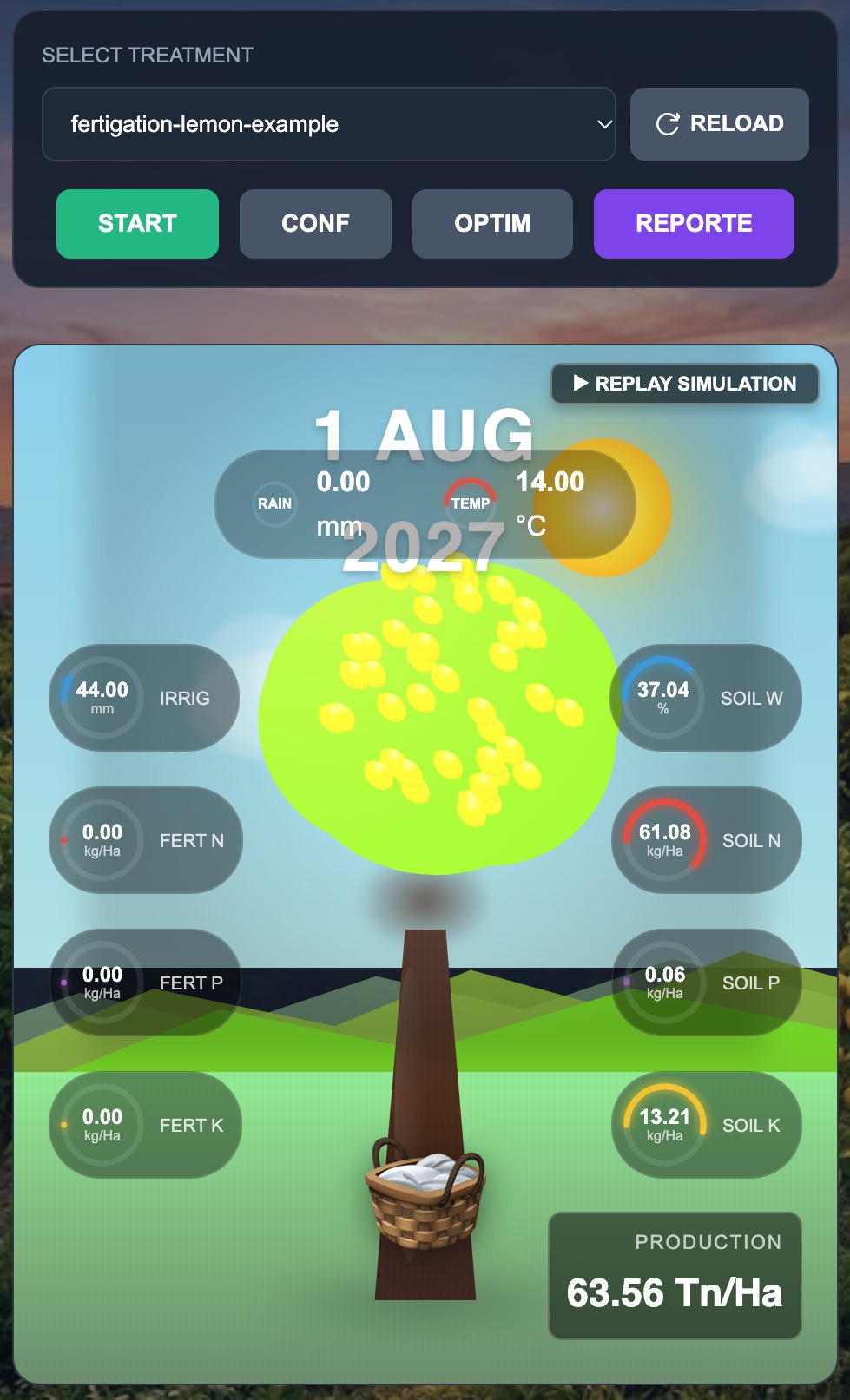
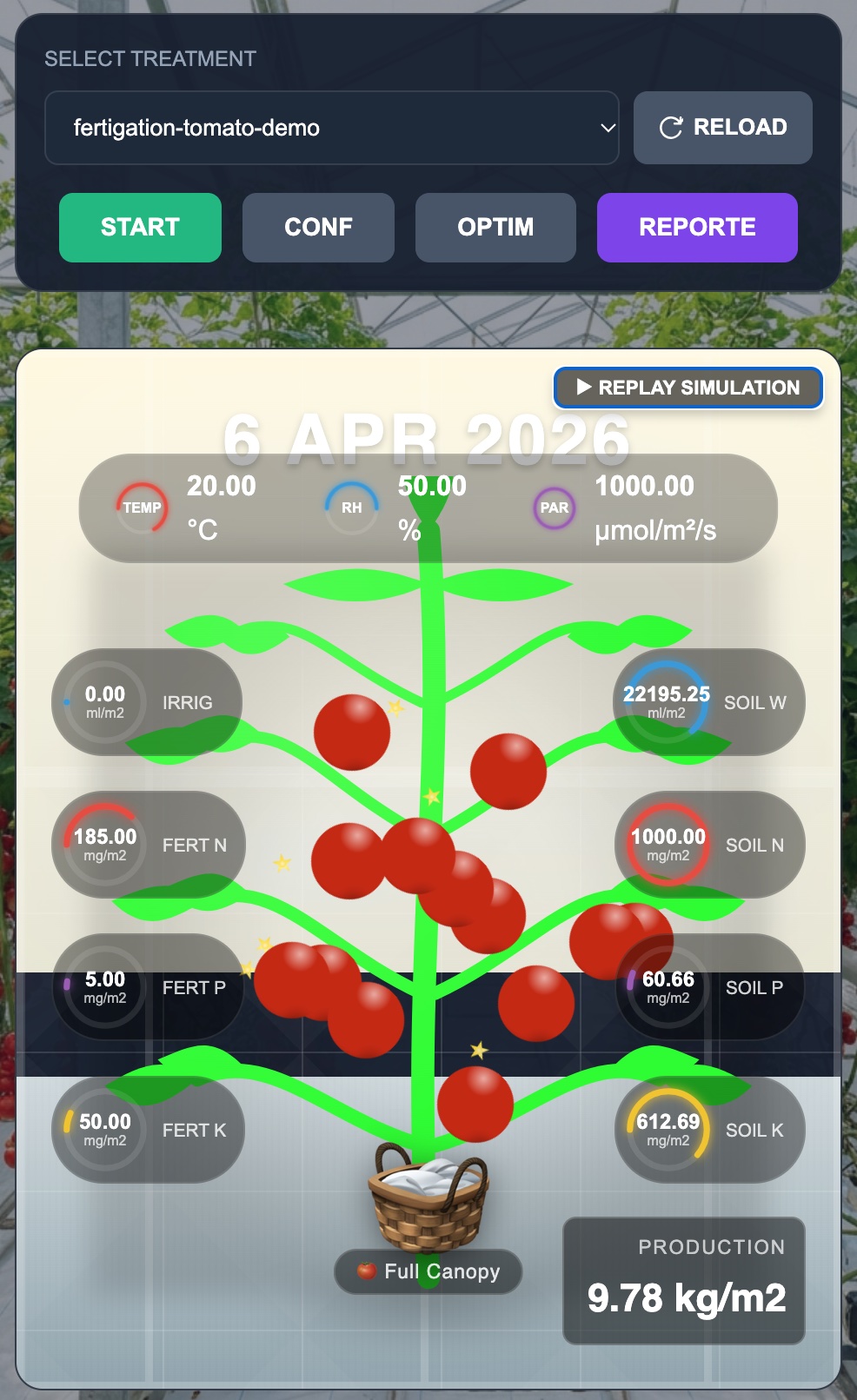
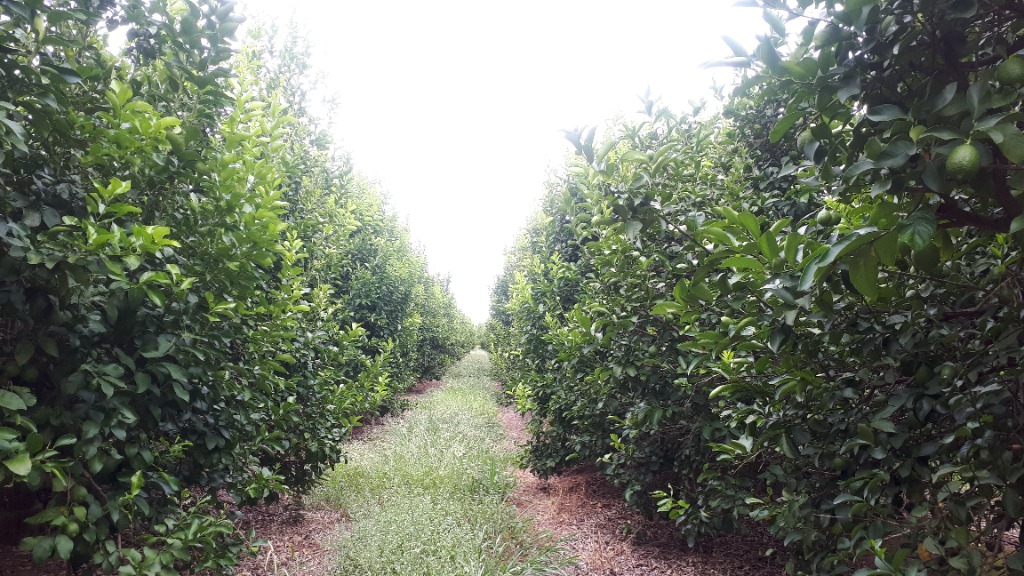
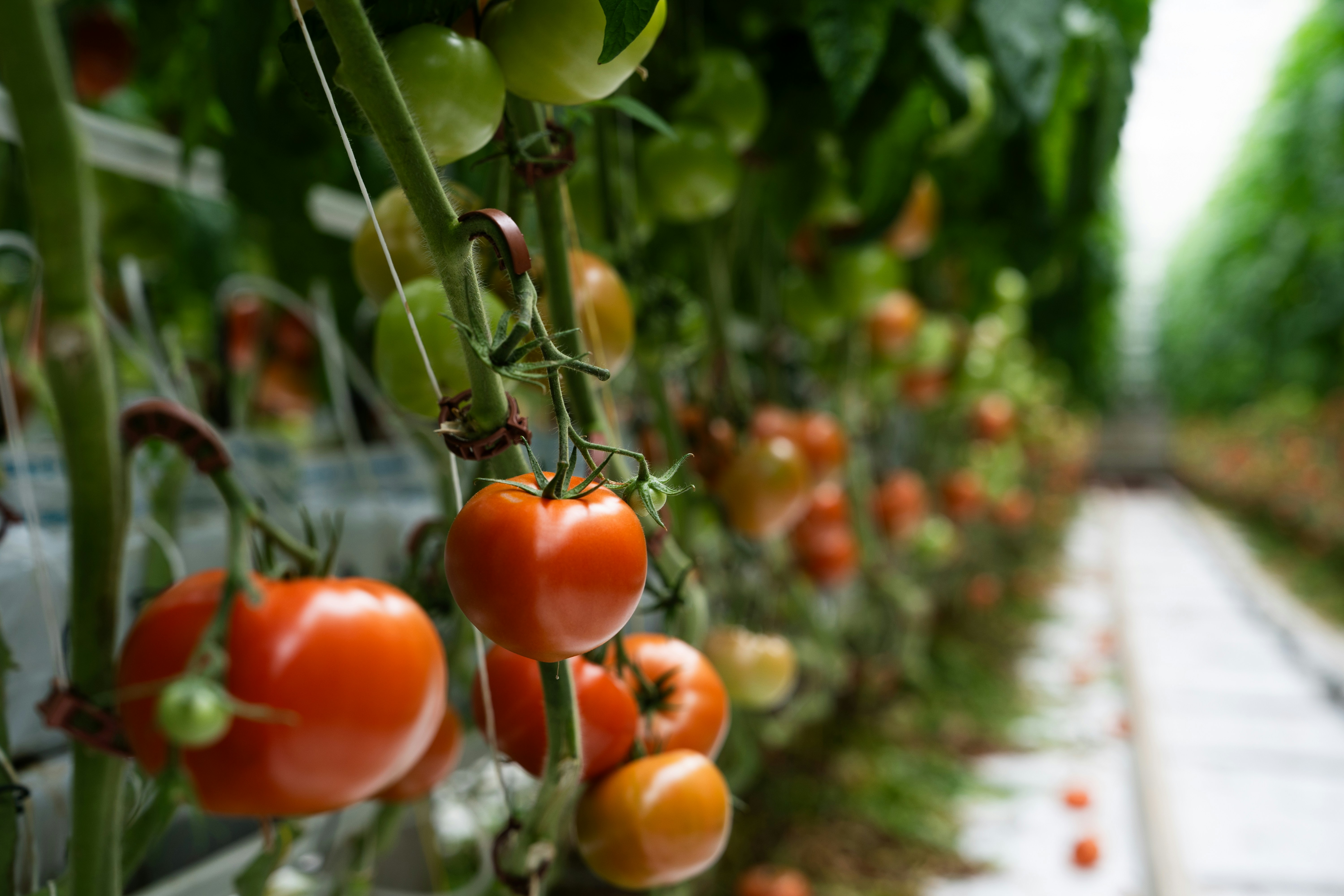
Explore physiological crop models adapted to plant species and the soil characteristics of each farm parcel. The previews show a lemon digital twin for citrus production and a tomato digital twin for greenhouse horticulture.
Citrus SimulationLemon digital twinView full size ↗Greenhouse Crop SimulationTomato digital twinView full size ↗
Lemon and tomato are the examples shown here. Additional crop applications include orange and pepper; crop-specific availability and validation should be confirmed with the ALAIVE team.
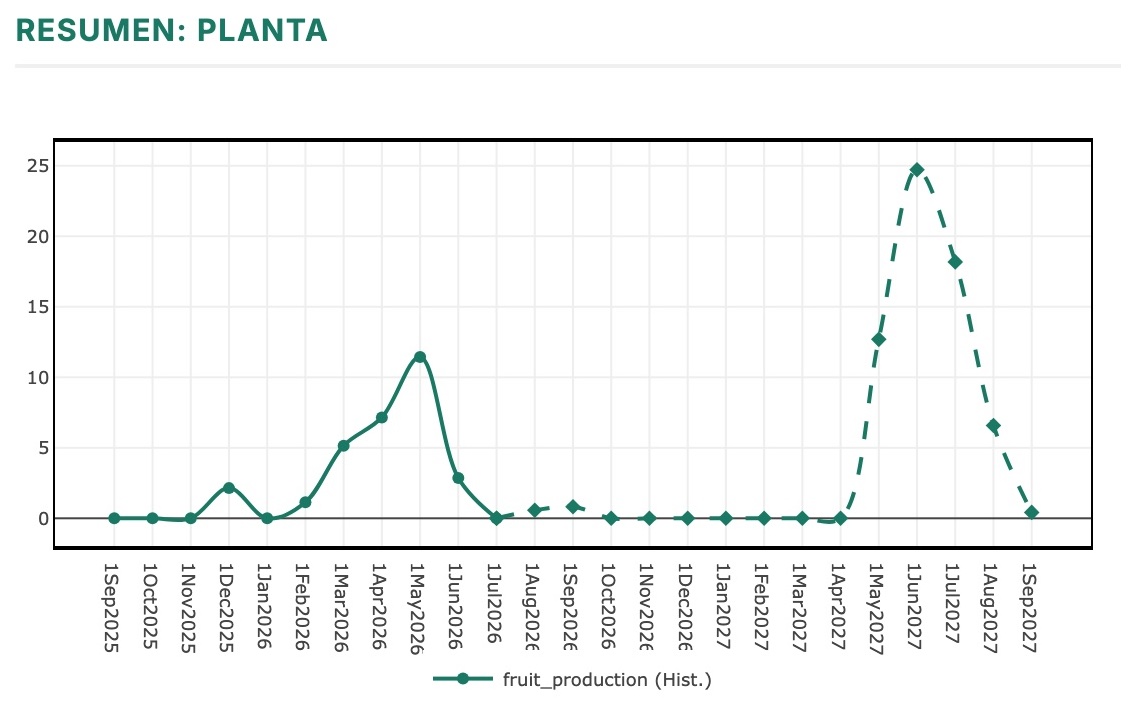
The app presents animated crop development and production plots updated during simulation.
App interface screenshots showing simulation visualization and plotting. These are still previews; no animation or live simulation runs on this webpage.
02 · FERTIGATION & ENVIRONMENT
Keep your farm’s plans together.
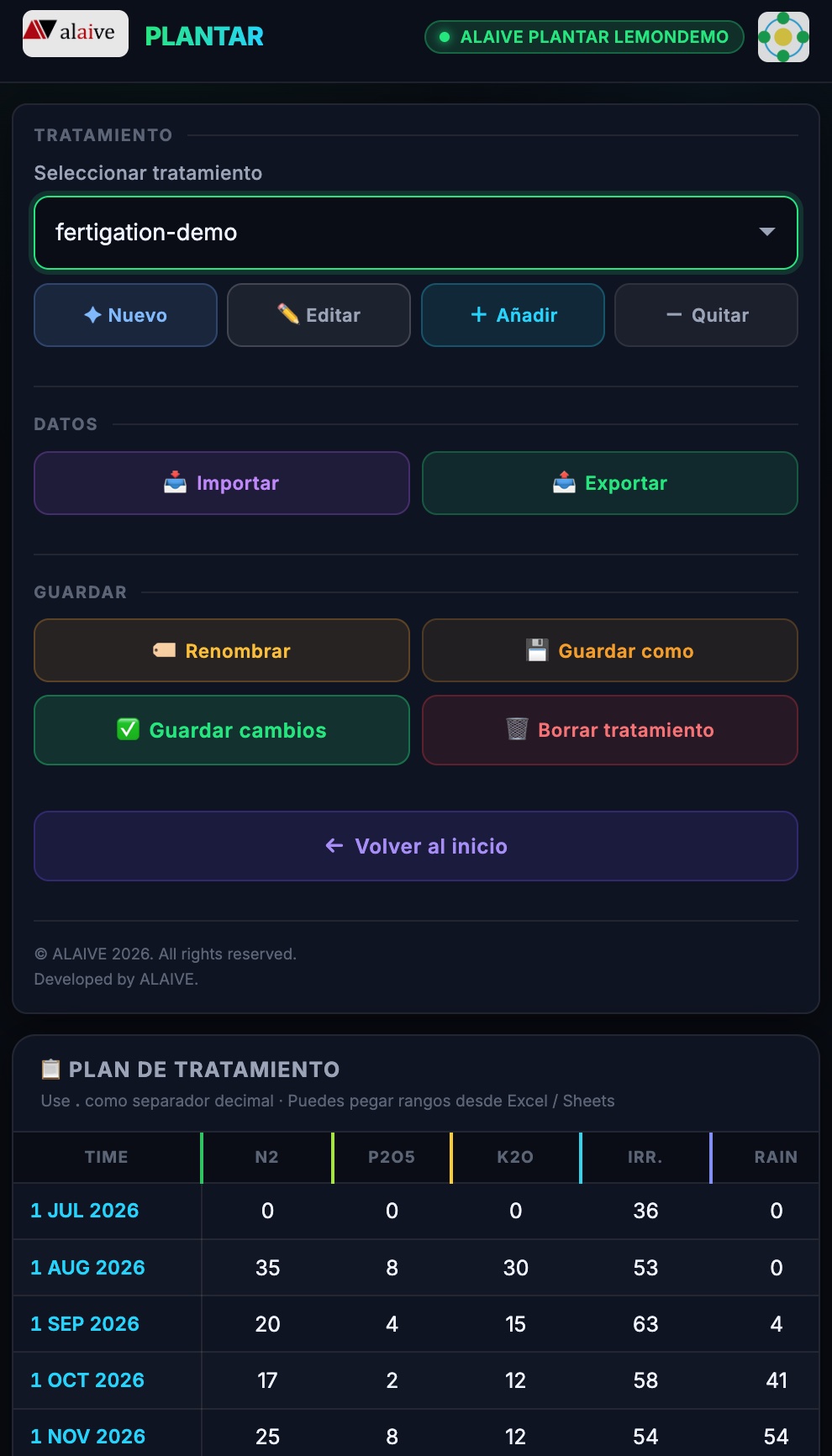
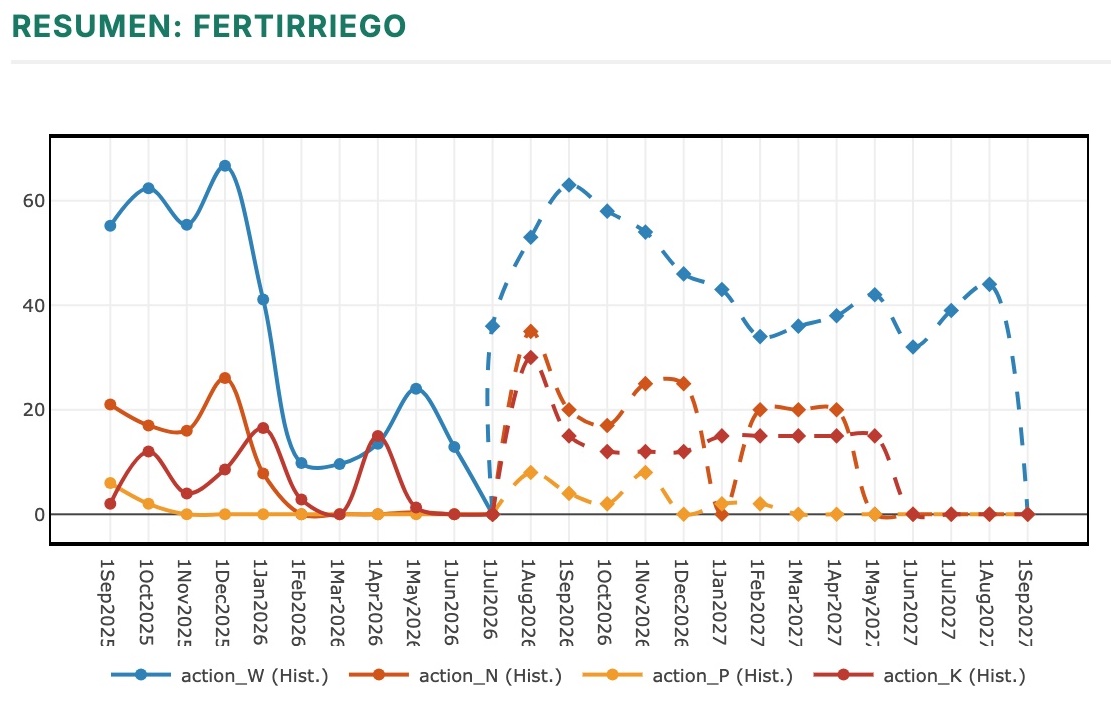
Create, edit, organize, import, and export fertigation plans. Represent irrigation and nutrient applications alongside the environmental conditions used in your simulations, matching the management practices of your farm.
Fertigation plan managementView full size ↗
From applications to scenarios
Organize treatment plans for your production system.
Set irrigation and nutrient applications over time.
Born from scientific research, PLANTAR combines physiological crop models, physically based soil dynamics, and AI to predict production and optimize agricultural management.
Biological understanding provides the starting point: adjust model parameters quickly using much less data than purely data-driven AI systems typically require.
Crop, soil & environmental conditions
Plant species and cultivar, soil properties, and initial soil water and nutrient conditions, together with outdoor weather or greenhouse climate conditions.
Management inputs
Irrigation and NPK fertilization schedules adapted to the farm’s management practices, with separate water, N, P, and K resource budgets.
↓
Physiology- and physics-based digital twin
Plant physiology
Plant development, nutrient uptake, growth, and fruit production
⇄
Physically based soil dynamics
Physically based water movement and N/P/K availability in the root zone
Soil water and nutrients shape plant development; plant uptake changes soil water and nutrient availability.
AI-assisted parameter tuning adapts the models to each plant species and field or greenhouse growing environment, using targeted observations.
↓
AI-driven management optimization
Explore irrigation and fertilization strategies under local environmental conditions, production objectives, and resource constraints.
Propose schedules
Simulate plant–soil response
Evaluate production & constraints
Revise candidates
↻ Revised schedules return to the digital twin for the next simulation.
↓
Higher production. More efficient use of resources.
Identify strategies that improve predicted production while reducing water and fertilizer use where feasible.
Smarter irrigation
More efficient nutrient applications
Greater production potential
Potential gains depend on crop and field conditions.
The full platform uses calibrated mechanistic crop–soil models and AI optimization. The featured examples below use fixed, hypothetical schedules and outcomes only.
Same water. Same nutrients. Smarter allocation. Higher potential production.
Illustrative scenarios for demonstration purposes. Management schedules and production values are hypothetical and do not represent measured field results or validated PLANTAR simulation outputs. Actual results depend on crop, soil, climate, and management conditions.
Lemon — Open-field citrus production
12-month seasonal production cycle. Relative growing-season months apply in either hemisphere.
Conventional40
→
PLANTAR optimized · illustrative44
+10%Hypothetical production improvement
t/ha/year
Charts could not load. All fixed example values remain available in the summaries and data tables below.
Irrigation strategy comparison
Production comparison
NPK fertilization strategy comparison
Seasonal resource totals & monthly example data
Elemental N, P, and K; not P₂O₅/K₂O equivalents. Both profiles preserve each resource total independently. Displayed monthly values are rounded to one decimal; internal totals are checked within 1 × 10⁻⁹ × max(1, total).
Conserved resource totals for the selected example
Resource
Conventional
Optimized
Difference
Fixed hypothetical monthly applications
FIELD-SPECIFIC OPTIMIZATION
Every Field Is Different. Every Strategy Should Be Too.
PLANTAR combines physiologically realistic plant models, physically based soil dynamics, environmental conditions, and AI optimization. Field-specific crop simulation supports production prediction and the exploration of irrigation and nutrient strategies.
Crop species and physiological characteristics
Soil properties and nutrient availability
Local weather and environmental conditions
Irrigation infrastructure and resource constraints
From crop modeling to smarter agricultural production.
A science-based crop simulation and AI optimization platform for agricultural production.
PLANTAR combines physiological crop models, soil dynamics, and AI optimization to support production prediction and resource management across different agricultural systems. From citrus orchards to greenhouse horticulture, the platform enables field-specific simulation and optimization of irrigation and fertilization strategies.
Citrus orchard production
OPEN-FIELD PRODUCTION
Citrus Production
Featured crop
Lemon
Additional crop
Orange
Simulation of citrus production using physiological crop models and soil water and nutrient dynamics. PLANTAR supports the evaluation of irrigation and fertilization strategies tailored to seasonal crop requirements and local environmental conditions.
Simulation of greenhouse crop production using physiological models that account for plant development, environmental conditions, and nutrient and water availability. PLANTAR supports the evaluation of fertigation strategies throughout the growing cycle.
Orange and pepper are additional application areas. Crop-specific adaptation, model availability, and validation for your production system should be confirmed with the ALAIVE team.
Physiologically realistic crop simulation
Physically based soil water and nutrient modeling
Field-specific environmental conditions
Production prediction
Irrigation and NPK optimization
Multiple crop types and production systems
Explore PLANTAR for your crop, field conditions, and production objectives.